






// field guide
A field guide to frontier AI tools
“Super intelligence” describes AI that would outperform the best humans across nearly every cognitive task. Nobody has built it yet, but the systems on the road toward it already change how research, software and knowledge work get done. Intelsi tracks that road. Instead of listing every AI wrapper on the internet, we index the tools that sit closest to the frontier: the flagship models from leading labs, the agents that turn those models into actors, the research assistants that compress weeks of reading into hours, and the safety and evaluation tooling that tells us whether any of it can be trusted.
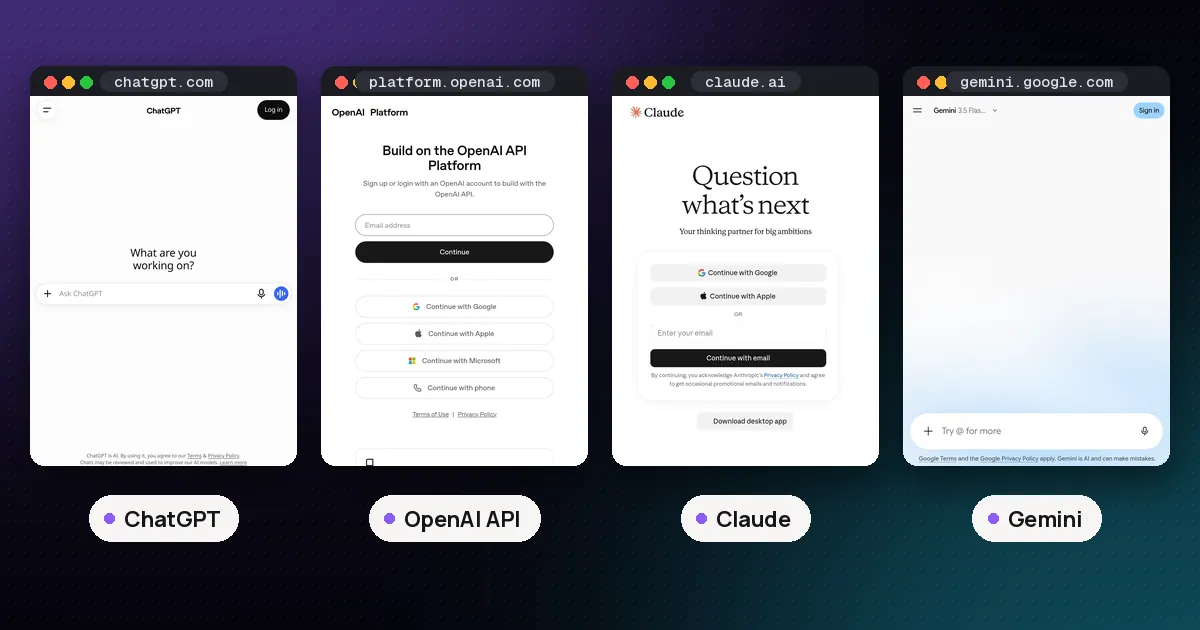
Start with the frontier models if you are new. Assistants such as ChatGPT, Claude, Gemini and Grok are general purpose interfaces to the most capable systems available, and each lab makes different tradeoffs between reasoning depth, speed, multimodality and price. Builders should look at the model APIs next, which expose the same systems with tool use, structured output and batch processing. Open weight releases from labs like DeepSeek and Qwen narrow the gap between closed and open, and many of them appear here alongside the hosted options.
Autonomous agents are the fastest moving category on the site. They plan multistep tasks, operate browsers or terminals, and return finished work rather than a single reply. Treat them as capable but fallible colleagues: give them clear goals, review their output, and prefer tools that show their steps. Research assistants are the quiet workhorses. Elicit, Consensus, Semantic Scholar and deep-research agents help you find, read and cite sources faster, but their summaries are a starting point, not a substitute for the paper.
Finally, the safety and evals section collects the open frameworks, red teaming kits and benchmarks that the research community uses to measure dangerous capabilities, robustness and alignment. If you deploy AI in anything that matters, these are worth an afternoon. Every listing on Intelsi links to the official site, notes the pricing model only where we are confident, and is enriched with public signals such as GitHub stars and recent Hacker News discussion. The live feed below pulls the newest papers, models and discussions from arXiv, Hugging Face and Hacker News so the directory never goes stale.